
Why Cracks in Walls and Floors Shouldn’t Be Ignored
Don’t Dismiss Foundation Cracks: Understanding the Real Risks to Your Home
A small crack in your wall or floor might seem cosmetic. But what appears harmless often signals serious problems beneath. At Hargrave Custom Foundation Repair, we’ve seen homeowners dismiss cracks, only to discover they’ve grown into expensive structural damage. Most foundation cracks start small and escalate if unaddressed. Your home communicates problems through these cracks. Some result from normal settling; others indicate foundation movement, water infiltration, or structural compromise requiring attention. Learning to distinguish between them empowers you to protect your home. Early intervention separates homeowners who catch problems affordably from those facing expensive emergency repairs.
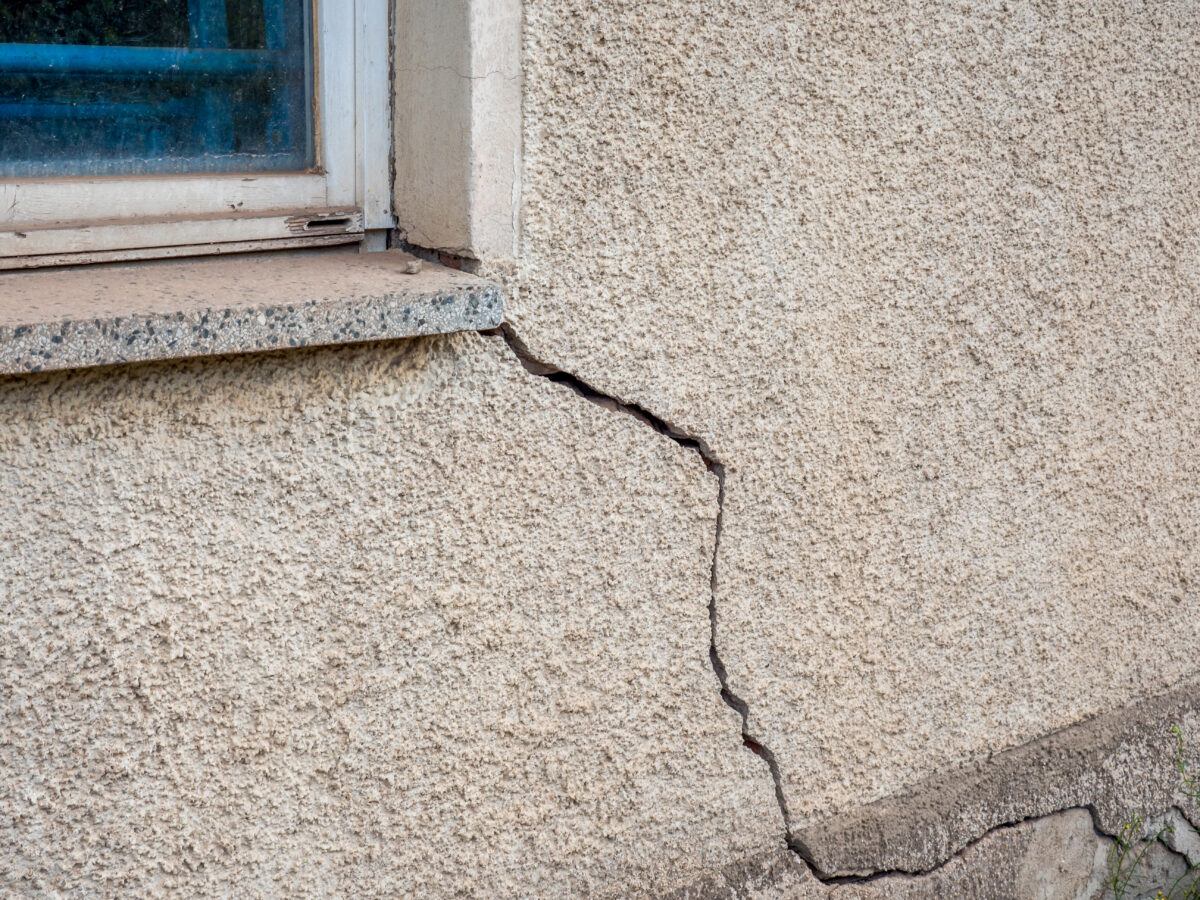
Understanding Crack Types and What They Mean
Crack patterns reveal stories about your foundation’s problems. Small hairline cracks under an eighth inch, particularly vertical ones, often result from normal concrete settling as homes adapt to temperature and soil shifts. These typically aren’t structural concerns. However, wider cracks, horizontal cracks, diagonal cracks, or stair-step cracks demand attention. Horizontal cracks in basement walls indicate hydrostatic pressure from water-saturated soil pushing inward. Stair-step cracks running diagonally across brick or block suggest differential settlement, where foundation parts sink at different rates. Diagonal cracks rising from door or window corners signal structural movement affecting framing.
A critical distinction exists between stable and active cracks. Mark crack ends with pencil and note the date. If cracks grow beyond your marks over weeks or months, they’re actively worsening, signaling ongoing foundation movement. Active cracks demand professional evaluation immediately. Stable cracks that remain unchanged may be cosmetic, though they still warrant periodic monitoring.
Risks of Ignoring Cracks
Water infiltration allows moisture into basements and crawlspaces, causing mold growth, structural deterioration, and pest infestation. Water damage compounds exponentially. What begins as a minor crack admitting moisture escalates to serious structural rot and wood damage. Addressing cracks early prevents water entry before problems multiply.
Horizontal, vertical, and stair-step cracks indicate structural damage requiring immediate attention. These suggest foundation walls are bowing or settlement is occurring unevenly. Ignoring them allows walls to deteriorate further. Eventually, walls can buckle inward, compromising support. Floors become dangerously uneven. In extreme cases, untreated damage creates collapse risk.
Repair costs increase exponentially as damage worsens. Homeowners who address cracks early invest in prevention; those who wait may invest in crisis management at mutliple times the cost.
When to Take Action
Document cracks you notice, noting location, width, pattern, and date. Mark crack ends with pencil and monitor for growth. If cracks are wider than an eighth inch, expanding, horizontal, diagonal, stair-step, at corners, or accompanied by uneven floors or sticking doors, contact a professional immediately. Even if uncertain about severity, professional assessment provides peace of mind. Don’t rely on DIY repairs beyond cosmetic hairline cracks. Epoxy injections, carbon fiber reinforcement, wall anchors, and pier systems require professional expertise.
Protect Your Home Now
Wall and floor cracks deserve respect. They’re your home’s way of communicating structural issues before failure occurs. Taking cracks seriously protects your investment, maintains home value, and may prevent escalating repair costs. Hargrave Custom Foundation Repair provides thorough evaluation, honest assessment, and professional solutions.
Noticed cracks in your walls or floors? Contact Hargrave Custom Foundation Repair today for a comprehensive evaluation. Our experts will assess your home and recommend solutions. Call now for your free inspection.